


As an all-inclusive nursery, the Riverside Day Nursery welcomes and supports children with special educational needs and disabilities. Whether a child has been diagnosed, or is in the process of being diagnosed, we ensure children get the individual support and care they need.
To tell you more about how we nurture children with special needs, we’ve put together some FAQs with our dedicated nursery SENCO (Special Educational Needs Coordinator) Jemma.
Jemma is a qualified nursery carer and trained SENCO. Jemma supports a handful of children in the nursery with a variety of additional needs, ranging from ASD (Autism Spectrum Disorder) affecting social and communication skills, through to children with delayed speech and language development.
What does a SENCO do?
“Day to day, my role involves working with our children with special educational needs and their nursery keyworkers. As well as carrying out regular observations and assessments of SEND children, so that we can monitor and provide feedback to parents, I make sure the children’s individual needs are being met while they are here at nursery.
“I also undergo regular additional training provided by the nursery, to ensure the activities and help provided to our SEN children is the very best available.”
What happens when a child starts at the nursery with SEND?
“As some of the children are very young when they start, parents are often in the first stages of getting a diagnosis, or they might suspect there is an issue but be unsure what to do next, both situations can understandably feel overwhelming.
“The first step is to come and talk to us about their concerns. I’m trained in identifying children with SEND and can help put in place discreet observations and assessments to feedback to parents.
“Working with the child’s parent and keyworker, we can then develop a personal development plan built around the child’s abilities, how they like to learn, and the things they enjoy doing at home and at nursery. Depending on the child’s individual needs, we also make sure the child has access to activities and resources they need, such as specialist games, therapy toys and equipment.”
Do you involve external therapists?
“Yes, absolutely. If a child has additional support in place outside of nursery, such as a speech and language therapist, occupational therapist or health worker, I meet and talk with them about ways to support the child and targets they are working towards with them, so we – myself and the child’s keyworker – can continue that productive work in the nursery.”
How does your role differ from other members of the nursery team?
“Rather than spending time working with children in smaller groups, many of the activities I do with our SEND children are on a one-to-one basis. For example, we currently have a little girl with severe ASD, which means, although she loves being around the other children, I take her swimming by herself rather than in a group. When a room is busy, I might also take her to a quieter space. She also has her own therapeutic toys, such as a peanut ball, for helping develop balance and co-ordination.
“Although parent liaison is very important with all our children, communication is especially important with SEND parents. As well as giving feedback at each handover, we have things in place like a home diary, where parents can let us know if a child hasn’t slept or eaten well which may impact their behaviour, so we can flex their routine accordingly.”
How do you help children with SEND?
“The key is finding out what a child enjoys and how they like to learn. Children have different needs depending on their abilities. For a child with mild speech and language delays it can involve fun speech exercises, while for a child with ASD, it can mean having sensory-friendly spaces, places that both stimulate and calm the senses.
“I’m currently developing a ‘cosy cave’, a quiet space with relaxing lights, for children to take time out. It’s not just for SEND children but for any of the children, we all need a little head space sometimes!”
What inspired you to specialise in working with SEND children?
“My Mum worked in a mainstream school supporting a pupil with Down Syndrome. I’d often go there after school and thought I’d like to do something similar.”
What do you enjoy most about it?
“It can be intense, but it is really rewarding seeing children develop and gain confidence not just in areas, such as co-ordination, speech and language but friendships too.”
What should I do if I think my child may have special educational needs?
“The first step is to come and talk to me, or your child’s keyworker, about your concerns as soon as possible. We have an open-door policy here. I’m fully trained to spot where a child might need extra support and can advise you about what to do next.”
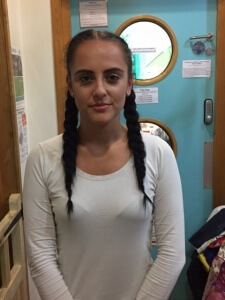
Jemma, our nursery SENCO